Swedish Lapland
Lule River valley, Storforsen rapids and the UNESCO Laponia area. Base: Treehotel.
Everything that happens outside the window: when the aurora dances, when larches turn gold, how to meet wildlife respectfully and which regions reward slow travellers.
Each landscape shapes the architecture, the activities and the rhythm of your day. Open a panel to learn what to expect.
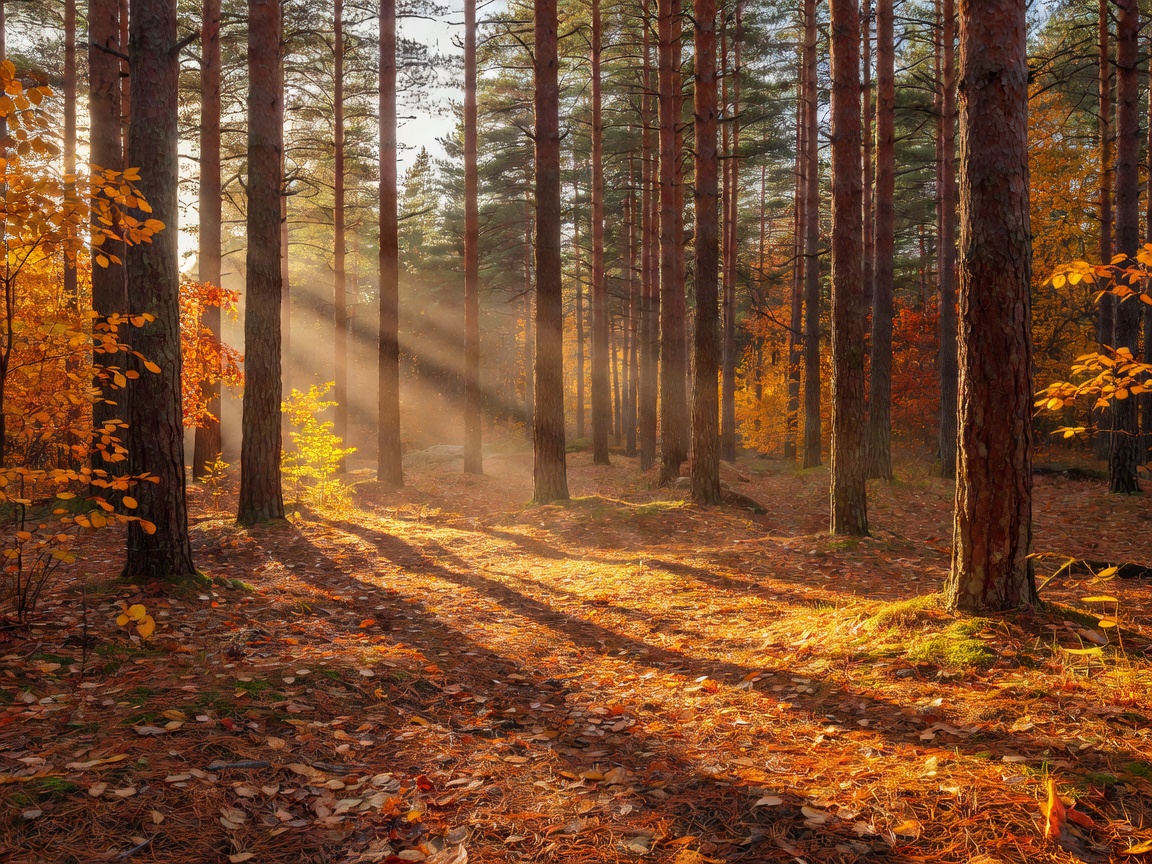
The taiga of Swedish and Finnish Lapland is a quiet world of pine, spruce, birch and bog. Treehouse and forest-suite hotels lift you into the canopy, where you'll hear woodpeckers and Siberian jays by day and see the aurora over the treetops by night. Expect snow from roughly November to April and mosquitoes in early summer.
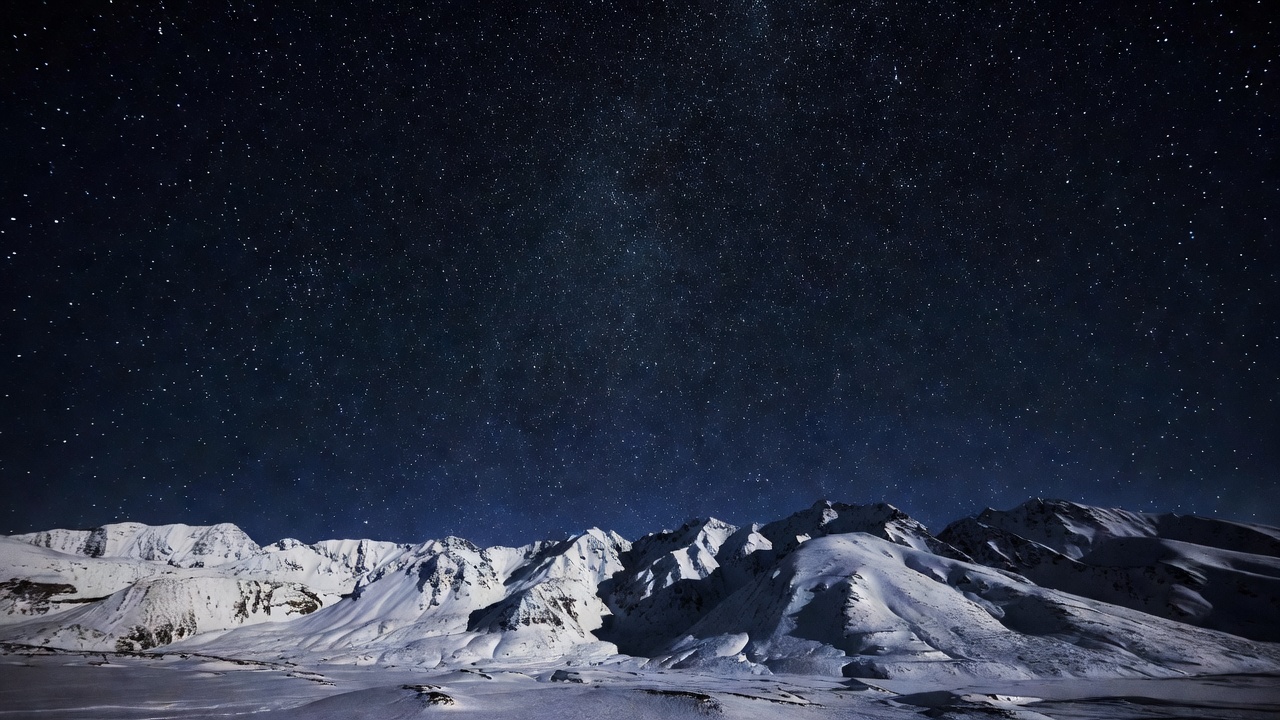
North of the Arctic Circle, forests thin into rounded fells. Glass igloos and log cabins make the most of the long dark season. In winter, temperatures can drop well below −20°C; in summer the sun doesn't set for weeks.
Western Norway's glacier-carved valleys combine waterfalls, sheer walls and deep fjords. Landscape hotels here use glass to frame views and often stand on stilts to protect fragile ground. Many scenic mountain roads open only from late spring to autumn.
The UNESCO-listed Dolomites and the Swiss Alps offer high meadows, larch forests and limestone towers. Retreats focus on wellness, hiking and skiing; summer brings wildflowers, autumn turns the larches gold.
Lakes such as Lake Lucerne moderate the climate and open up boating, swimming and steamer trips. Mornings often bring mist rising off the water — set an alarm for sunrise.
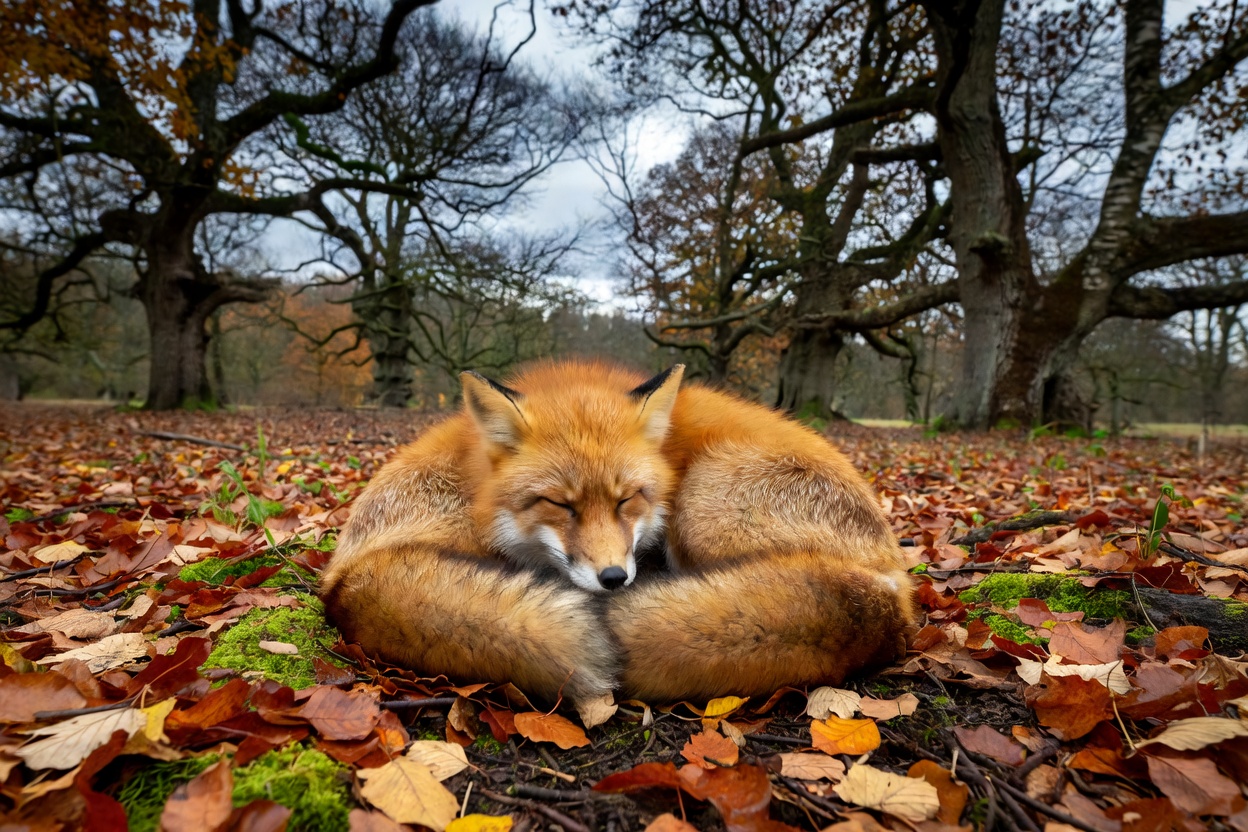
Norway's Nordland coast is an archipelago of skerries, kelp forests and sea eagles. Sea cabins put you within metres of the tide. Weather changes quickly — build flexible days into your trip.
South Iceland's lava fields, glacial rivers and waterfalls sit beneath some of Europe's darkest skies. Rural lodges make excellent bases for both aurora watching and the Ring Road's highlights.
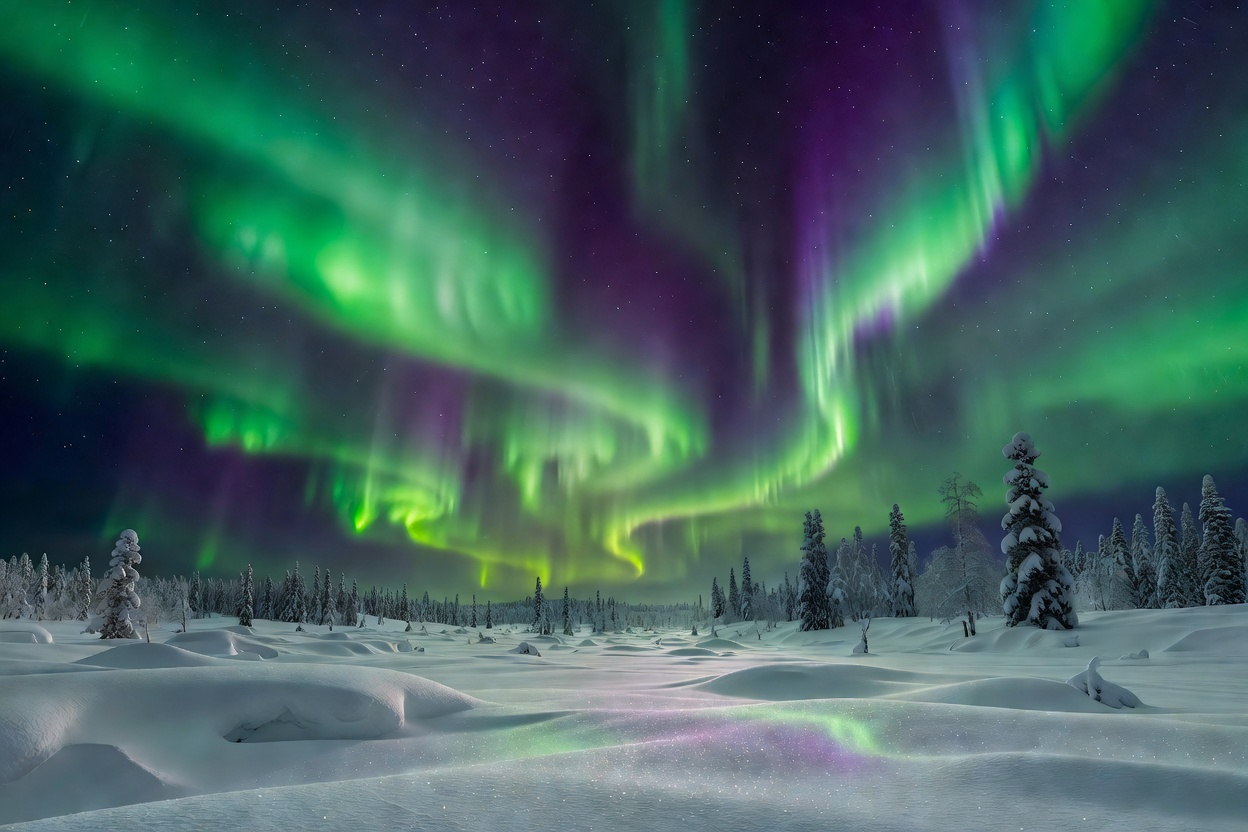
The aurora borealis occurs year-round, but you can only see it when the sky is dark. In Lapland, Arctic Norway and Iceland that means roughly late August to mid-April.
Darker cells signal peak conditions for each experience. A general guide — conditions vary each year.
| Experience | Jan | Feb | Mar | Apr | May | Jun | Jul | Aug | Sep | Oct | Nov | Dec |
|---|---|---|---|---|---|---|---|---|---|---|---|---|
| Northern Lights (Arctic) | ● | ● | ● | ◐ | – | – | – | ◐ | ● | ● | ◑ | ● |
| Midnight sun | – | – | – | – | ◑ | ● | ● | ◐ | – | – | – | – |
| Husky & snow activities | ● | ● | ● | ◑ | – | – | – | – | – | – | ◐ | ● |
| Alpine & fjord hiking | – | – | – | – | ◐ | ◑ | ● | ● | ● | ◑ | – | – |
| Autumn colours (ruska / larch) | – | – | – | – | – | – | – | ◐ | ● | ● | – | – |
| Alpine skiing | ● | ● | ● | ◐ | – | – | – | – | – | – | – | ◑ |
| Lake swimming (Alps) | – | – | – | – | – | ◑ | ● | ● | ◐ | – | – | – |
| Puffins (Iceland) | – | – | – | – | ◑ | ● | ● | ◑ | – | – | – | – |
Lule River valley, Storforsen rapids and the UNESCO Laponia area. Base: Treehotel.
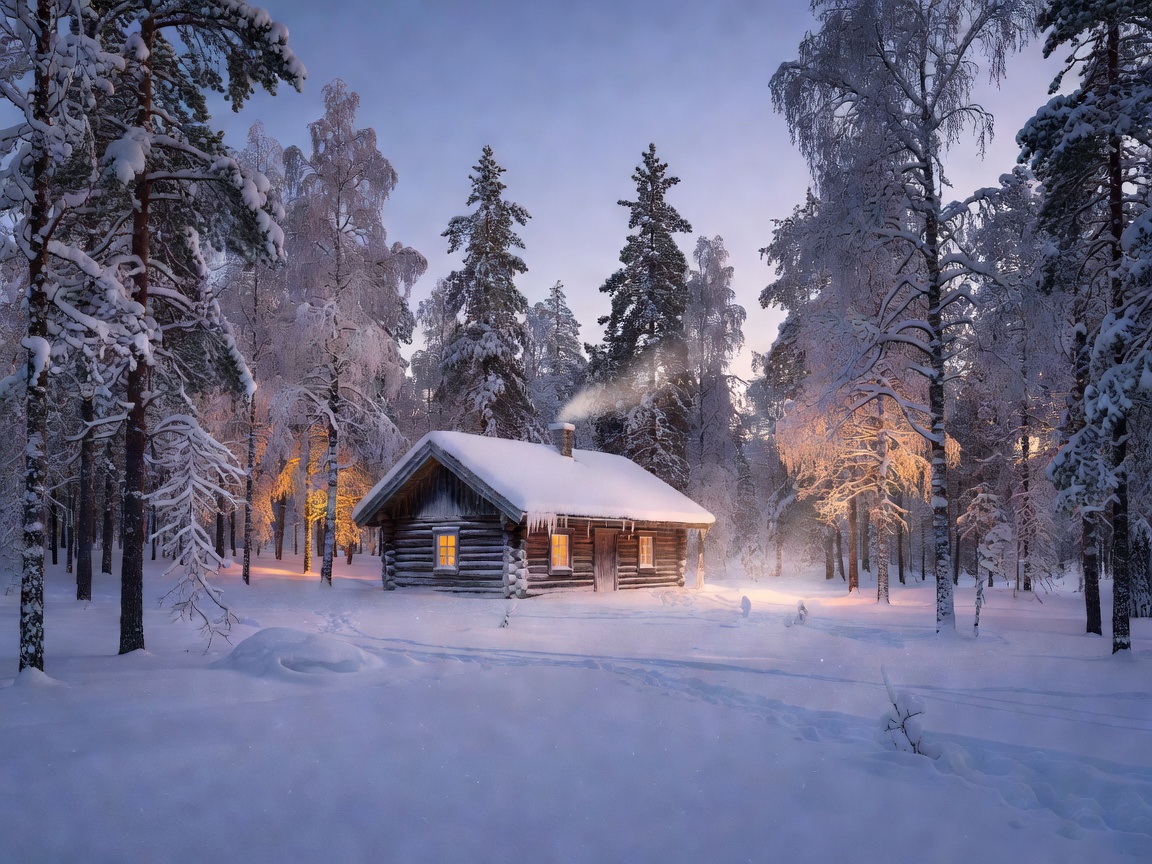
Urho Kekkonen National Park, Inari's Sámi culture and Rovaniemi's Arctic Circle. Bases: Kakslauttanen, Arctic TreeHouse.
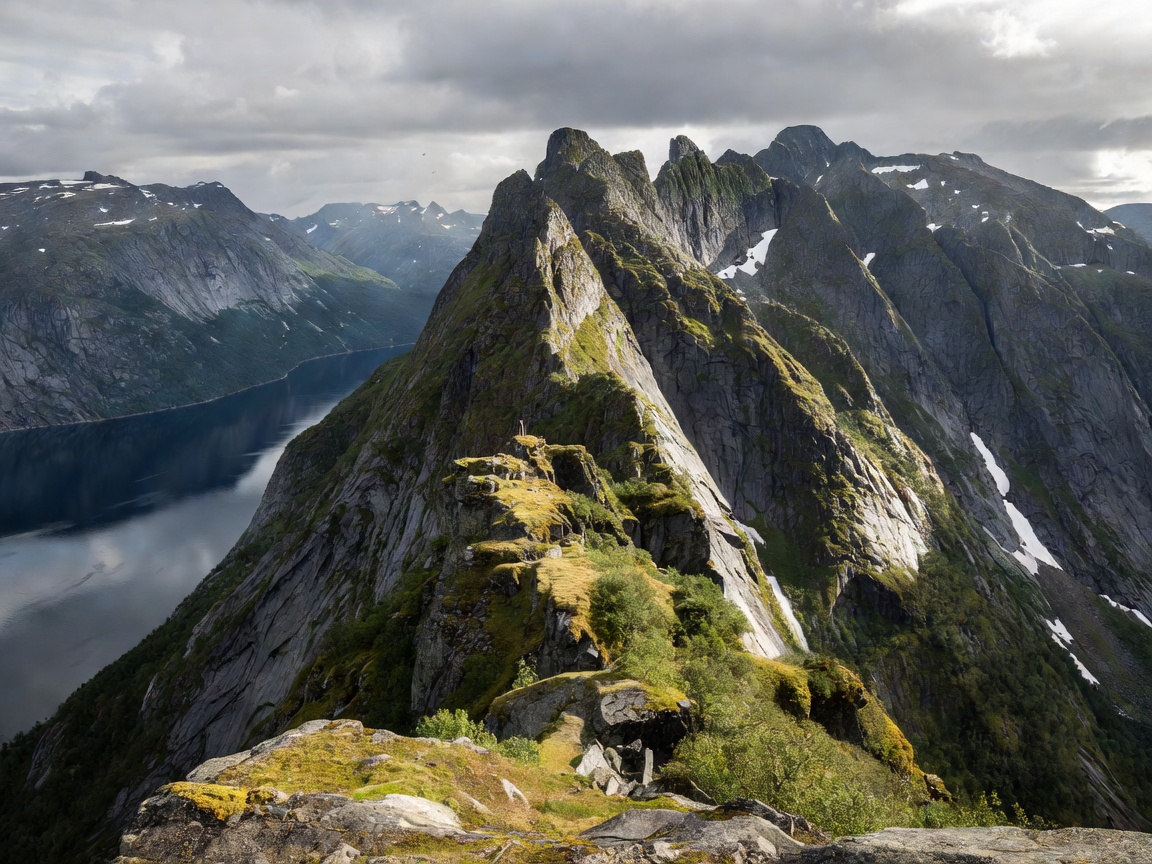
Trollstigen, Geirangerfjord and Gudbrandsjuvet gorge. Base: Juvet.
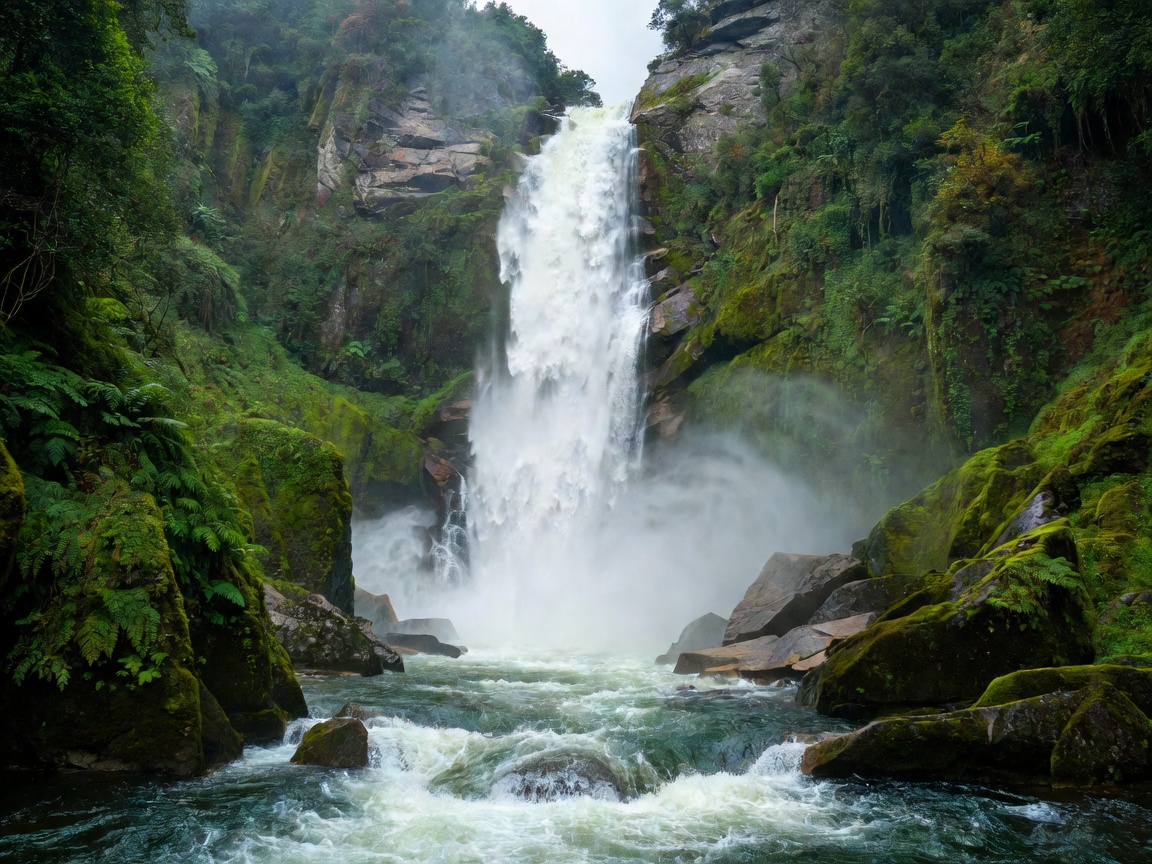
Seljalandsfoss, Skógafoss, Hekla and black-sand beaches. Base: Hotel Rangá.
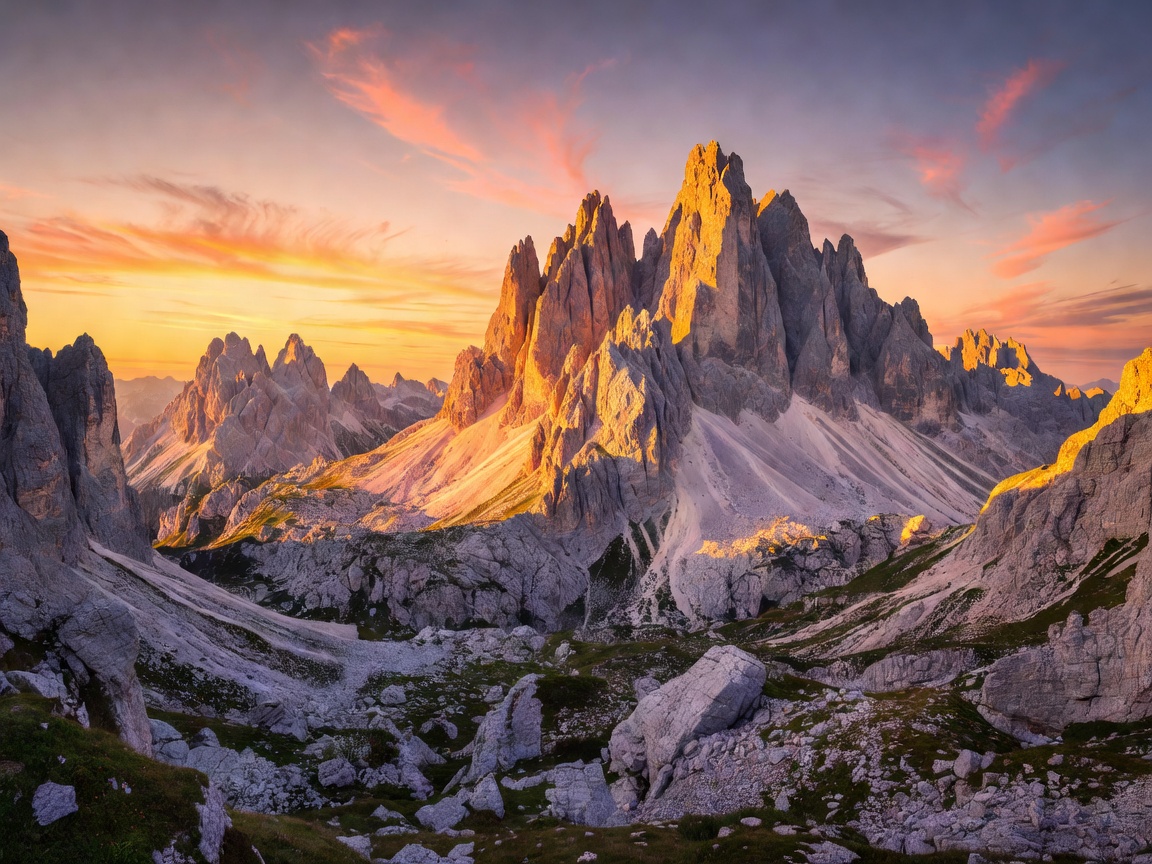
Puez-Odle Nature Park, Val di Funes and the Plose. Base: Forestis.
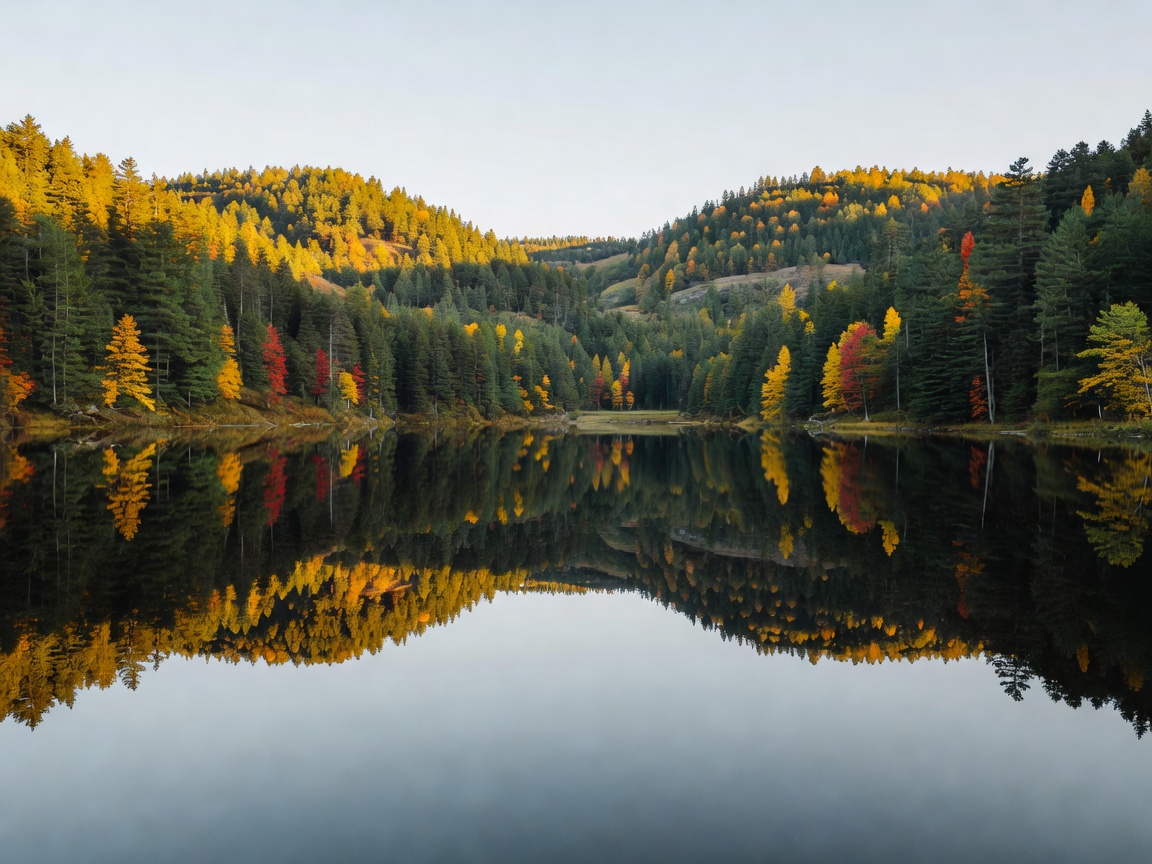
Bürgenstock cliff path, Pilatus and Rigi. Base: Villa Honegg.
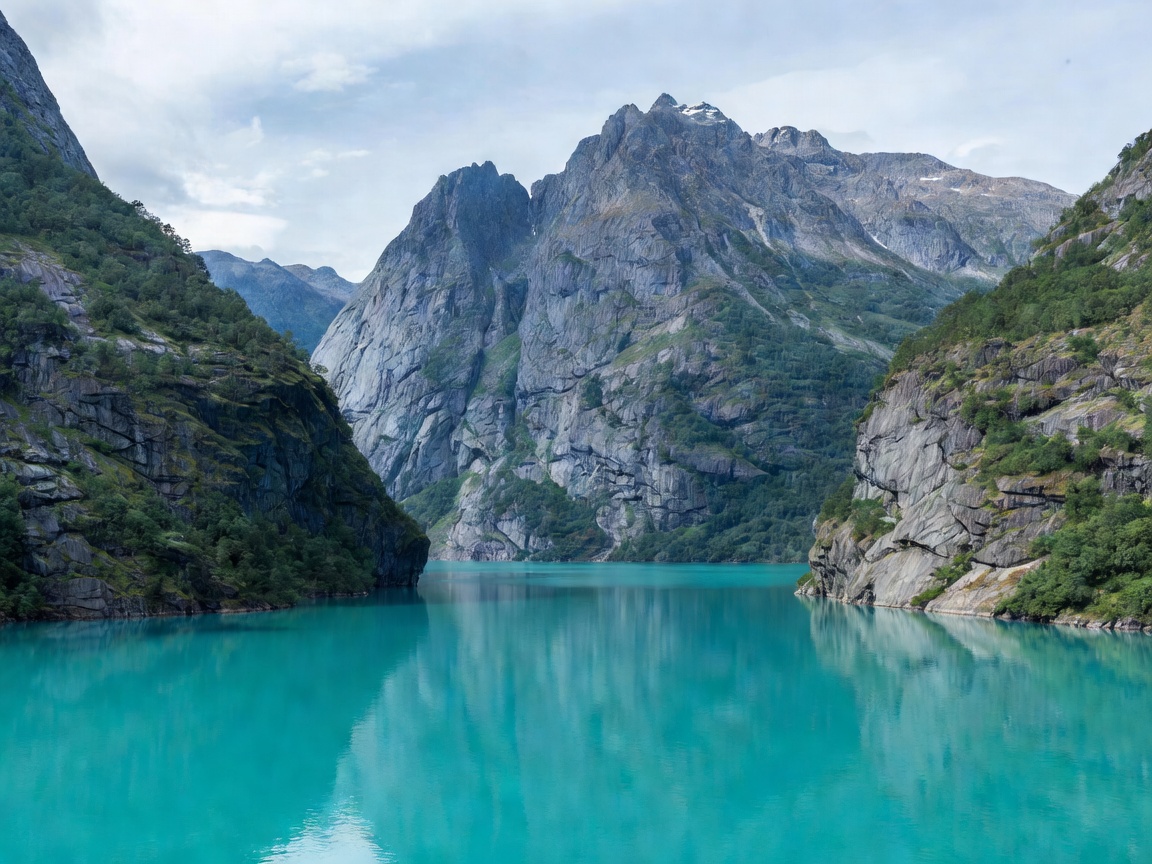
Steigen's peaks, Saltstraumen and views to Lofoten. Base: Manshausen.